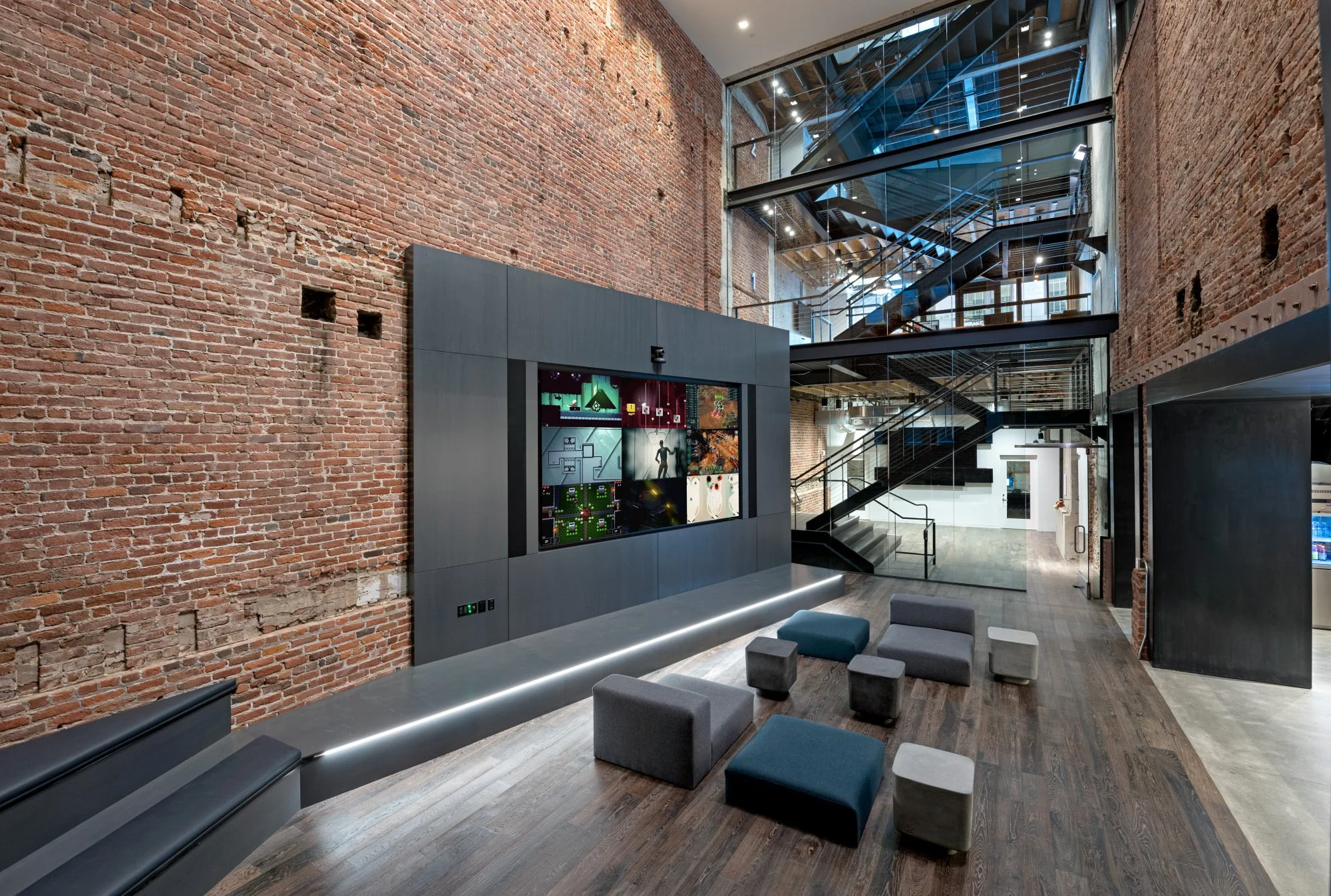
Evolving Labs: Why Flexibility, Collaboration, and Open Design Are Reshaping Modern Life Science Workspaces
Life science labs are changing at a pace the industry hasn’t seen before. New research platforms, evolving program mixes, hybrid work expectations, and accelerated development timelines are pushing organizations to redesign laboratories that can adapt and transition quickly. But while the architectural vision often looks clean on a plan set, the true challenge lies in what happens next:
Helping real scientists work confidently, safely, and productively in these new models.
Through hundreds of lab transitions across complex R&D environments, Visions Management has observed a clear pattern: when workflow, change management, and user experience guide the design, teams adopt new models faster and with far less disruption. No matter how innovative a lab concept may be, its success ultimately depends on how well it supports day to day science.
Below is a look at the major trends reshaping today’s scientific workplaces and the real world considerations that help teams thrive inside them.
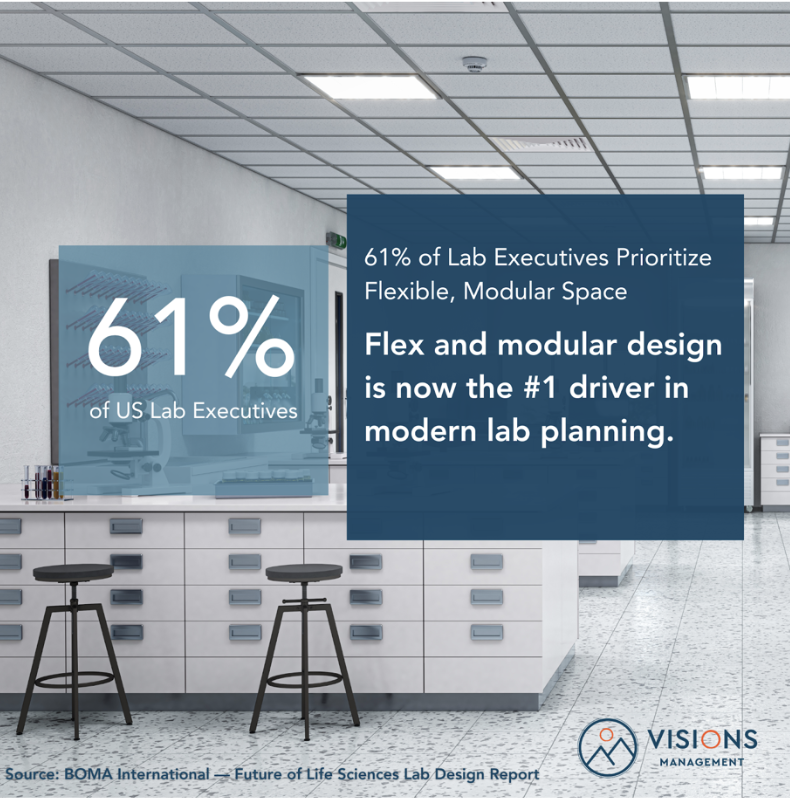
Lab Relocations Are Becoming Strategic Not Just Logistical
In today’s R&D landscape, lab moves are no longer simple “lift and shift” exercises. They have become strategic inflection points. According to Lab Design News, more than 60% of laboratory relocations now involve major reprogramming, including right sizing, workflow redesign, and equipment consolidation.
At the same time, research environments are evolving at unprecedented speed. The National Institute of Building Sciences notes that private sector labs reconfigure 25% of their space every year. That constant pace of change means relocations must prepare teams not only for their needs today but for the unknowns that are coming next.
Yet, relocations can still be disruptive for staff. Concerns around downtime, sample risk, and unclear expectations surface in many moves. The most successful transitions are those that connect program goals with clear inventory planning, thoughtful phasing, and early communication so nothing comes as a surprise when teams walk into their new space.
Flex Space Has Shifted From Trend to Standard
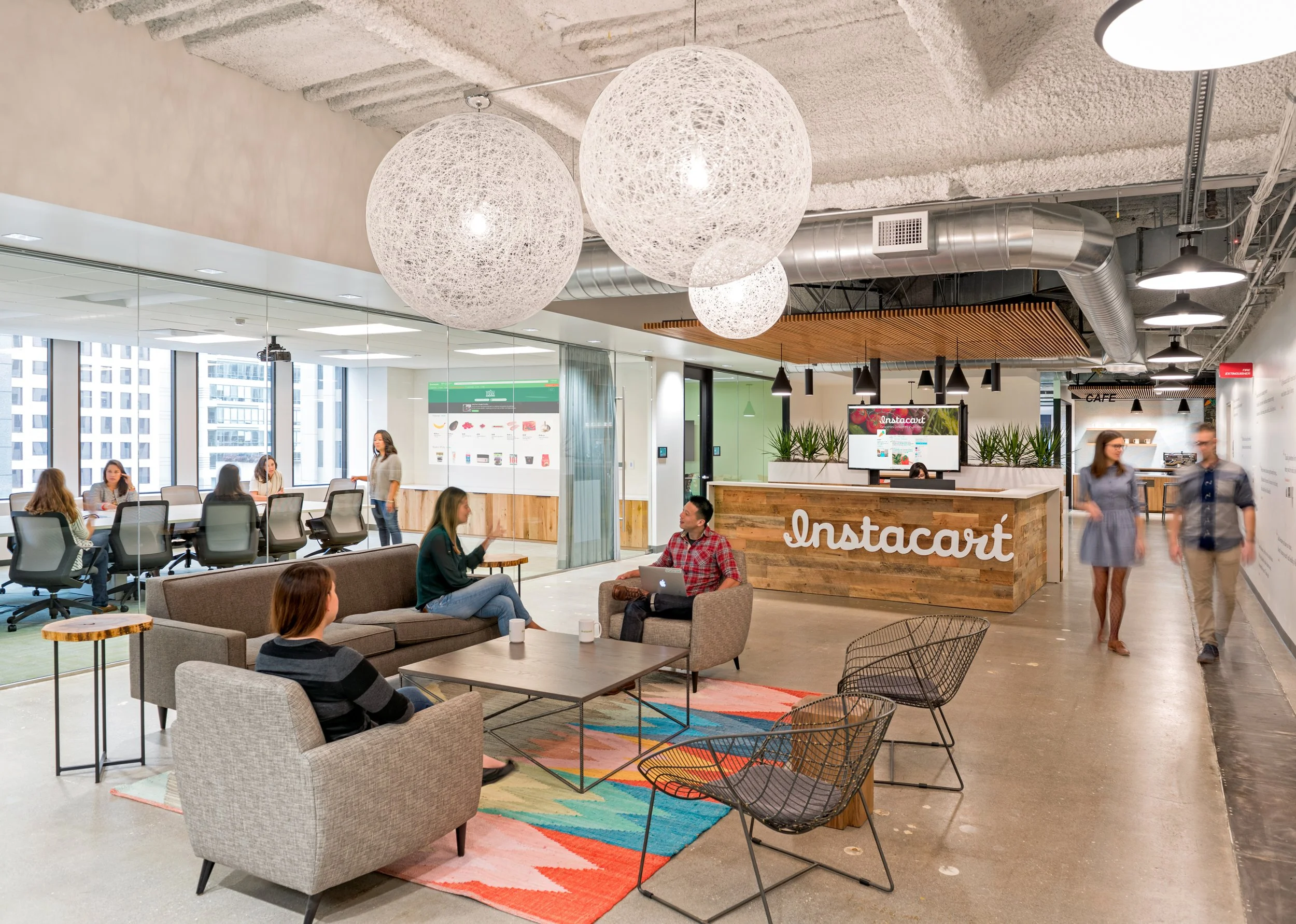
If there is one theme that defines the modern lab, it is flexibility. A recent BOMA International report indicates that 61% of U.S. lab executives identify flexible and modular spaces as the number one driver influencing new lab design.
The industry’s shift toward modular casework, rolling benches, and “wet ready” or “dry ready” rooms reflects the reality that research can pivot overnight. Even academic institutions are solidifying this direction. Columbia University’s 2023 Laboratory Design Guideline, for example, encourages movable benches and modular elements to support future changes.
But without clear guidelines, flex space can introduce more confusion than clarity. Teams often struggle with questions such as who controls which bench, how frequently layouts can shift, or how to manage shared equipment in a dynamic environment.
Flex environments succeed when they are supported by clearly defined zones, future growth scenarios, and simple norms for bench moves, booking, and equipment sharing. Post occupancy refinements ensure that flex space works the way teams actually use it rather than how it looked on a drawing.
Collaboration Spaces Are Finally Aligning With Scientific Workflows
As scientific work becomes more cross functional and hybrid models persist, collaboration spaces are moving increasingly close to the bench. According to JLL’s Life Sciences Workplace Trends report, more than 70% of new life science workplaces now include collaboration rooms or project spaces directly adjacent to lab environments.
Still, alignment is far from perfect. A global Unispace survey reveals that only 68% of life science employees feel their workspace supports productivity, compared to 81% of employers who believe it does. This disconnect often shows up in rooms that are too far from the bench, not quiet enough for focused work, or not configured for video enabled collaboration.
Spaces that succeed are those built around real scientific rhythms. These include quick stand up zones for experiment cycles, quiet rooms for analysis or grant writing, project rooms designed for long running studies, and flexible meeting spaces that do not interfere with lab workflows.
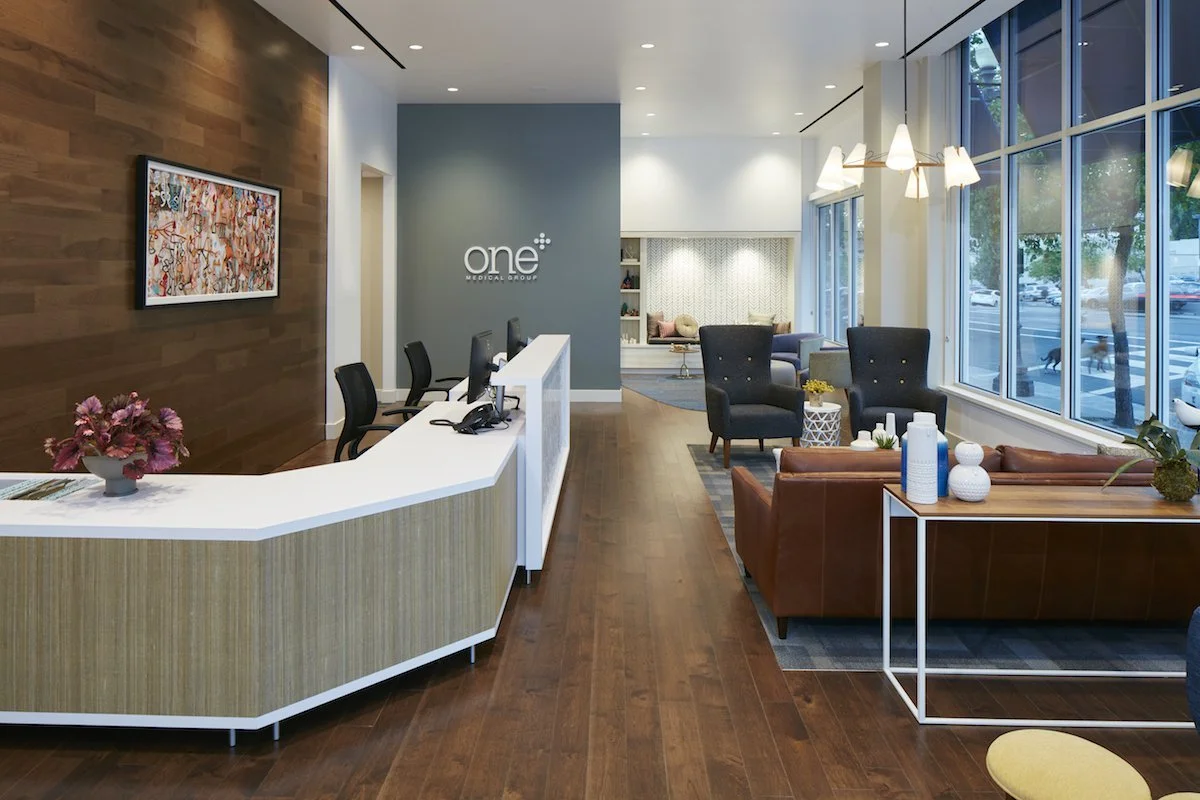
Open Labs Are Rising And So Are Expectations for Clarity
Open lab environments continue to gain popularity as teams seek transparency, shared equipment, and efficient use of space. They can accelerate communication and strengthen cross disciplinary alignment, but only when they are carefully planned.
Without clear rules and systems organization, open environments can be overwhelming. Teams are often unsure what belongs to whom, where supplies should live, or how to manage noise and traffic.
Since private labs reconfigure around 25% of their space every year, thoughtfully zoning open labs can support smoother adjustments over time.. Successful open environments include quiet zones for sensitive work, high traffic areas for sample handling, shared support corridors, and neighborhoods organized by modality rather than historic departmental lines.
Transparent assignment strategies, equipment use expectations, and well planned storage systems reduce friction and help teams settle into open environments more quickly. On the ground support in early occupancy further strengthens adoption.
Designing Labs To Evolve Without Slowing Science
Across every trend relocation, flexibility, collaboration, and open design the message is consistent. Science moves quickly and the built environment needs to move with it.
Organizations that thrive are the ones designing labs that can stretch, contract, reassign, and reprogram without compromising productivity or pace. Whether it is a new research platform, a new hire, a workflow shift, or a major scientific pivot, the most resilient environments are those built for constant evolution.
In today’s life sciences landscape, the strongest laboratories are not the ones built to last.
They are the ones built to adapt.